Empowering Women Through Climate-Smart Agriculture Initiatives
- Margaret Patlazhan -Melman
- 5 days ago
- 4 min read

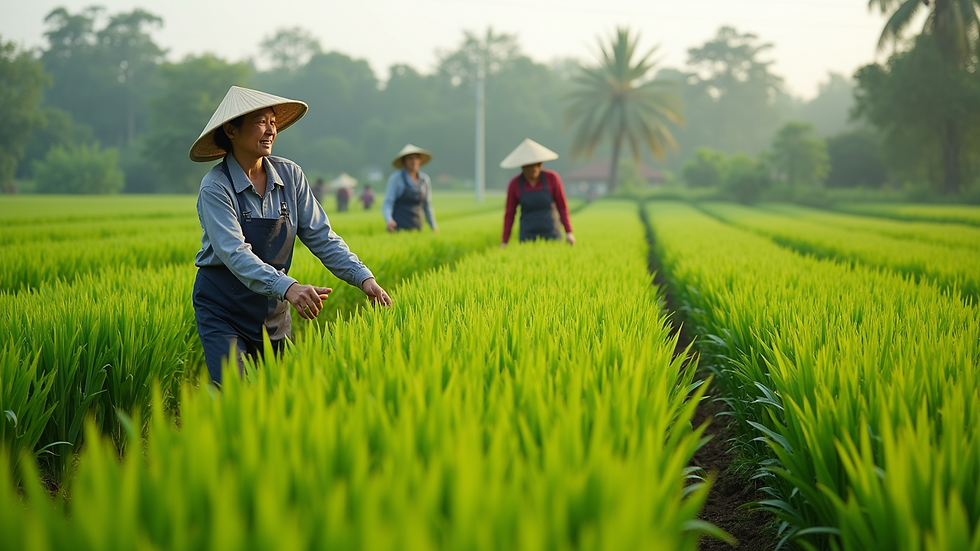
Climate change poses a significant threat to global food security, and women, who play a crucial role in agriculture, are disproportionately affected. As the backbone of many agricultural systems, women farmers face unique challenges that hinder their productivity and resilience. However, climate-smart agriculture initiatives are emerging as a powerful tool to empower women, enhance their livelihoods, and promote sustainable farming practices. This blog post explores how these initiatives are transforming the agricultural landscape for women around the world.
Understanding Climate-Smart Agriculture
Climate-smart agriculture (CSA) refers to an approach that aims to increase productivity in a sustainable manner while enhancing resilience to climate change. It encompasses a variety of practices that improve agricultural productivity, reduce greenhouse gas emissions, and enhance the adaptive capacity of farmers. Key components of CSA include:
Sustainable land management: Techniques that maintain soil health and fertility.
Water management: Efficient use of water resources to enhance crop yields.
Crop diversification: Growing a variety of crops to reduce risk and improve resilience.
Agroforestry: Integrating trees into farming systems to enhance biodiversity and soil health.
By adopting these practices, women farmers can not only improve their yields but also contribute to environmental sustainability.
The Role of Women in Agriculture
Women make up about 43% of the agricultural labor force in developing countries, yet they often face barriers that limit their access to resources, training, and decision-making processes. These barriers include:
Limited access to land: Women often do not own the land they farm, which restricts their ability to invest in improvements.
Lack of financial resources: Women have less access to credit and financial services, making it difficult to invest in climate-smart practices.
Cultural norms: In many societies, women are not encouraged to participate in agricultural decision-making, limiting their influence and agency.
Despite these challenges, women are key players in achieving food security and sustainable development. Empowering them through climate-smart agriculture initiatives can lead to significant benefits for communities and the environment.
Benefits of Climate-Smart Agriculture for Women
Increased Productivity: By adopting climate-smart practices, women can enhance their crop yields. For instance, using drought-resistant seed varieties can help women farmers maintain productivity even in adverse weather conditions.
Improved Resilience: Climate-smart agriculture equips women with the tools and knowledge to adapt to climate change. Training programs that focus on sustainable practices enable women to better manage risks associated with climate variability.
Economic Empowerment: Access to training and resources allows women to increase their income. For example, women who engage in agroforestry can diversify their income sources by selling timber, fruits, and other products.
Enhanced Decision-Making Power: Climate-smart agriculture initiatives often include training on leadership and negotiation skills, empowering women to take on leadership roles within their communities.
Community Benefits: When women thrive, entire communities benefit. Increased agricultural productivity leads to improved food security and nutrition for families, contributing to overall community well-being.
Case Studies of Successful Initiatives
1. The Women’s Empowerment in Agriculture Index (WEAI)
The WEAI is a tool developed by the International Food Policy Research Institute (IFPRI) to measure women’s empowerment in agriculture. It assesses various domains, including production, resources, income, and leadership. By using this index, organizations can identify areas where women need support and tailor interventions accordingly.
2. The Farmer Field Schools (FFS)
Farmer Field Schools are community-based learning platforms that bring together farmers to learn about sustainable agricultural practices. In many regions, these schools have been instrumental in empowering women by providing them with hands-on training in climate-smart techniques. For example, women in Kenya have successfully implemented FFS to learn about integrated pest management, leading to reduced pesticide use and increased yields.
3. The Gender and Climate Change Adaptation Project
This project, implemented in several countries, focuses on integrating gender considerations into climate change adaptation strategies. By providing women with access to resources, training, and decision-making opportunities, the project has successfully improved women’s livelihoods while enhancing community resilience to climate change.
Challenges and Barriers to Implementation
While climate-smart agriculture initiatives hold great promise for empowering women, several challenges remain:
Cultural Resistance: In many societies, traditional gender roles can hinder women’s participation in agricultural initiatives. Overcoming these cultural barriers requires community engagement and awareness-raising efforts.
Limited Access to Resources: Women often lack access to essential resources such as land, credit, and technology. Addressing these disparities is crucial for the success of climate-smart agriculture initiatives.
Insufficient Training and Support: Many women farmers do not receive adequate training on climate-smart practices. Expanding access to education and resources is essential for empowering women in agriculture.
Strategies for Empowering Women in Climate-Smart Agriculture
Promote Gender Equality: Encourage policies and practices that promote gender equality in agriculture. This includes ensuring women have equal access to land, credit, and training opportunities.
Enhance Access to Resources: Provide women with access to financial services, technology, and information. Microfinance programs tailored for women can help them invest in climate-smart practices.
Implement Training Programs: Develop training programs that focus on climate-smart agriculture and leadership skills. These programs should be accessible and tailored to the specific needs of women farmers.
Foster Community Engagement: Engage communities in discussions about the importance of women’s empowerment in agriculture. Building community support can help challenge cultural norms and promote gender equality.
Leverage Technology: Utilize technology to provide women with information and resources. Mobile apps and online platforms can facilitate access to training and market information.
Conclusion
Empowering women through climate-smart agriculture initiatives is not just a matter of social justice; it is essential for achieving sustainable development and food security. By addressing the barriers that women face and providing them with the tools and resources they need, we can create a more equitable and resilient agricultural system. As we move forward, it is crucial to prioritize women’s empowerment in climate-smart agriculture to ensure a sustainable future for all.
The journey towards empowering women in agriculture is ongoing, and every step taken towards this goal contributes to a more sustainable and equitable world. Let us support initiatives that uplift women and promote climate-smart practices, ensuring that they play a vital role in shaping the future of agriculture.

Comments